Solar and storage on your home. Paid for by the people who need the power.
Not you. And not your
credit score.
Home solar and storage have always asked the homeowner to pay for the equipment, shutting out tens of millions of Americans. That is why we created a new model designed to work for more Americans.
A large energy buyer signs one long-term contract for capacity. That contract pays for solar panels and energy storage on thousands of homes at once, underwritten against the buyer's credit rather than yours.
No down payment. No loan. No credit check. Nothing to buy and nothing to maintain.
America already pays for standby power. It just sits on the wrong buildings.
Of new power needed by US data centers by 2029. Roughly 90 large power plants the grid cannot build in time.
Share of the electricity they actually produce. The rest of the year that equipment sits idle, and everyone pays for it anyway.
Put that same standby power on homes and it does two jobs. On the hard days it answers the grid. Every other day of the year it runs a house and brings a bill down.
Sources: 93GW — Goldman Sachs / EPRI (2024). 1,000GW solar potential — NREL, Rooftop Solar Technical Potential (2023).
Homes are already connected. Everything else has to wait in line.
projects in the
transmission queue
before delivery
These systems clear the utility's residential interconnection process rather than the multi-year transmission queue. No new land. No new transmission. No queue.
Sources: Lawrence Berkeley National Laboratory, "Queued Up: 2026 Edition," May 2026. GE Vernova, second quarter 2026 results, July 22, 2026.
Fast. Firm. Auditable.
Sited where people already live.
Real Estate Portfolios
It is worth understanding the other side of this deal, because it is the reason any of it is possible.
One PPA
A single Community PPA covering thousands of residential solar and storage systems. One counterparty, one contract, one set of terms, instead of thousands of individual agreements. Resilience owns and dispatches the fleet, so the buyer holds 100 percent dispatch control during capacity events, roughly 15 to 20 days a year.
Speed to Power
The systems sit on homes already interconnected. They clear the utility's residential interconnection process rather than the transmission queue, and need no new land and no new transmission. For projects built in 2025, median time from interconnection request to commercial operation was over five years, and new gas turbines now queue behind years of committed production.
RECs that Count Community Benefit
Each megawatt-hour is issued with its environmental attribute and a metered record of what reached the host community: bills reduced, capacity dispatched, local trades hours worked. Hourly-granular and matched to the buyer's load zone, so the attribute reflects where and when the power was actually delivered. Independently verified, because a certificate we graded ourselves would not be worth holding.
Nothing to buy. A smaller bill, and the lights on.
Home solar and storage have always asked the homeowner to pay for the equipment, shutting out tens of millions of Americans. That is why we created a new model designed to work for more Americans.
A large energy buyer signs one long-term contract for capacity. That contract pays for solar panels and energy storage on thousands of homes at once, underwritten against the buyer's credit rather than yours.
No down payment. No loan. No credit check. Nothing to buy and nothing to maintain.
Estimated savings. $90 x 12 x 15. Savings vary by local utility rates and system performance.
Lower bills. Local jobs.
Community benefit
you can count on.
Real Estate Portfolios
We build market by market, not one scattered house at a time. That is not sentiment, it is how the contract works. A buyer is purchasing capacity in a specific place, so the benefit lands in a specific place.

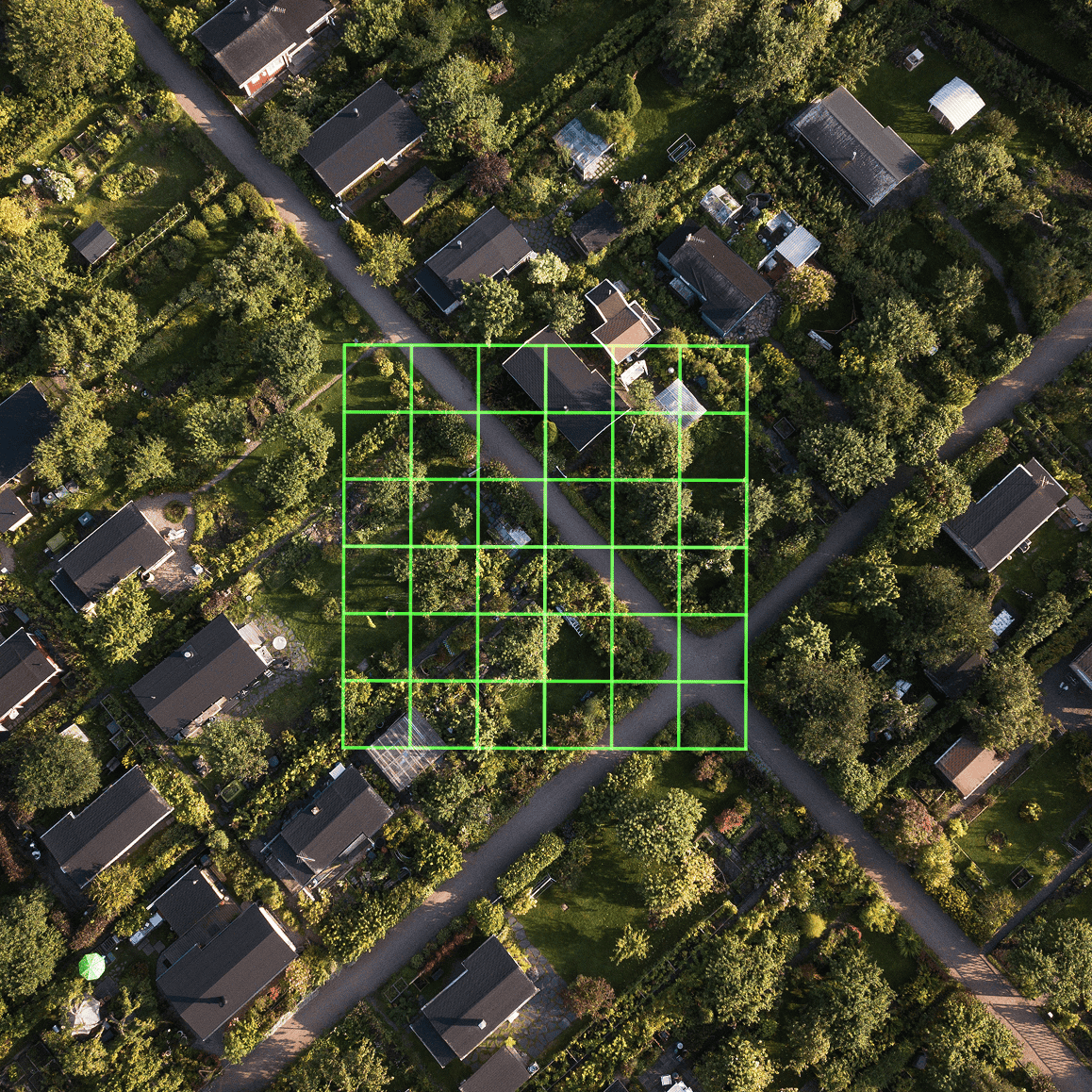
Sources: 100 MW is approximately 20,000 homes at roughly 5 kW of dispatch capacity per home, Resilience Energy modelling, release footnote 11. Job-years per IREC 2024 National Solar Jobs Census and NREL JEDI modeling, release footnote 2: installing systems on 20,000 homes supports approximately 1,500 direct job-years.
Want this on your home?
Real Estate Portfolios
Register your interest. It takes a minute and commits you to nothing.
Buying capacity?
Real Estate Portfolios
For utilities, grid operators and large energy buyers.